Beatriz Ruibal
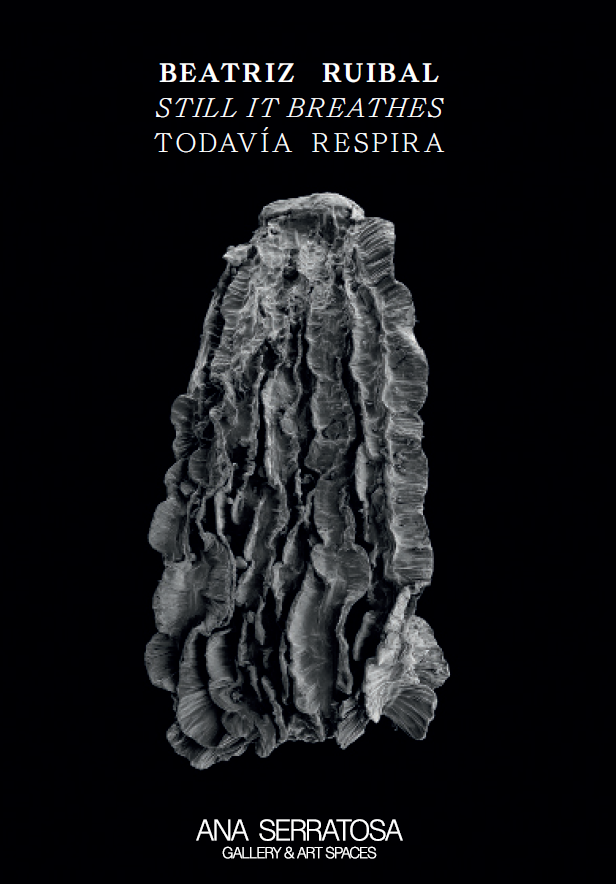
Still It Breathes / Todavía respira
This is artist Beatriz Ruibal’s first exhibition with the gallery and also her first solo exhibition in Valencia. The exhibition brings together works from her two most recent series, which explore different forms of resistance, transformation and permanence in the natural world.
The series Amenazadas and Always Alive will be on display at the gallery’s main venue, located at 19 Pascual y Genís Street, whilst La piel del olivo will be exhibited in the Ventana space at Domicilio Particular, situated at 5 Cabillers Street, establishing a dialogue between the two venues.
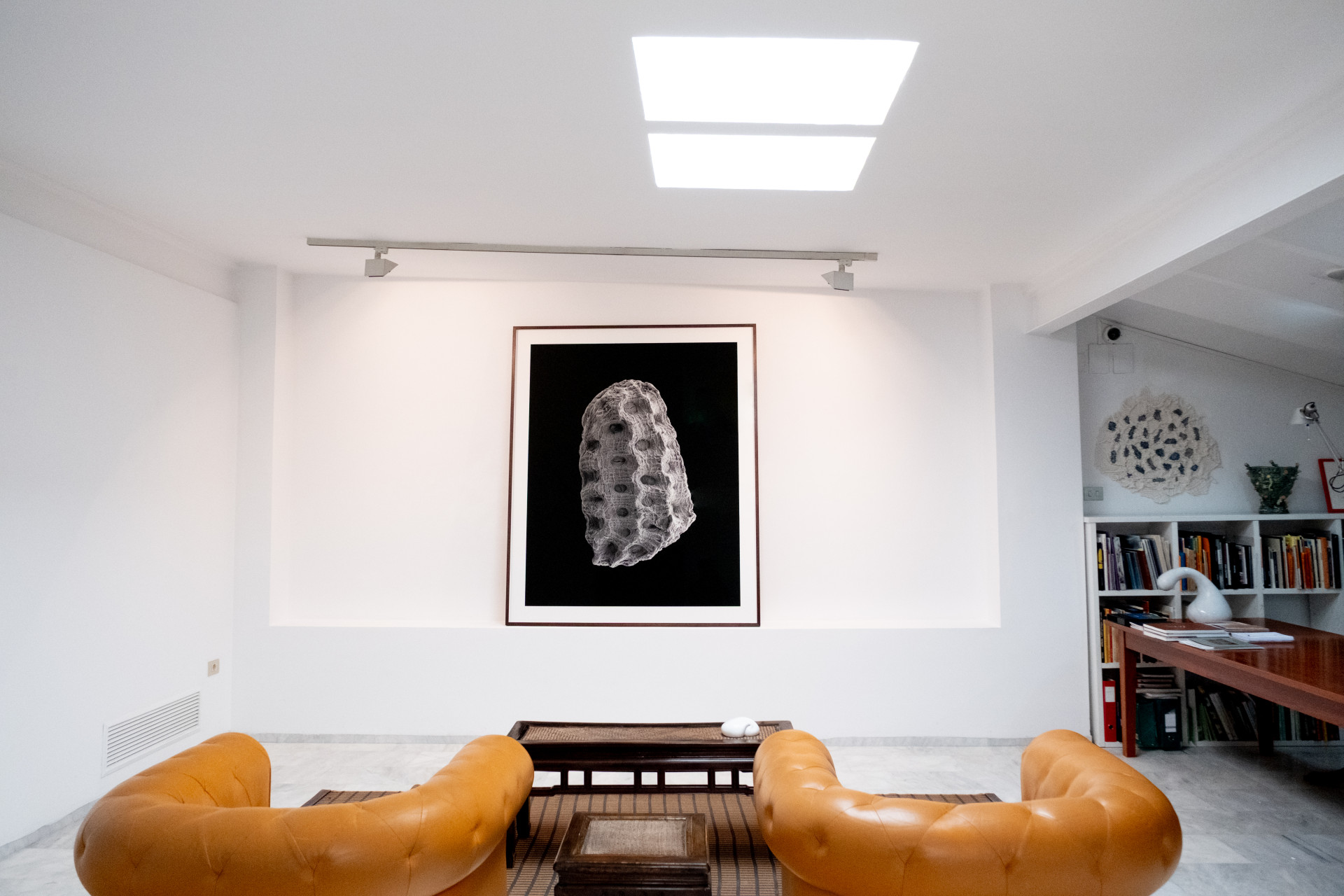
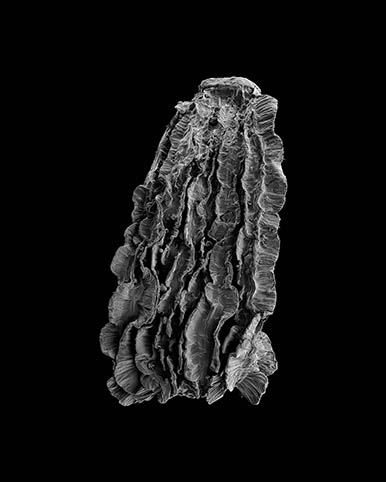
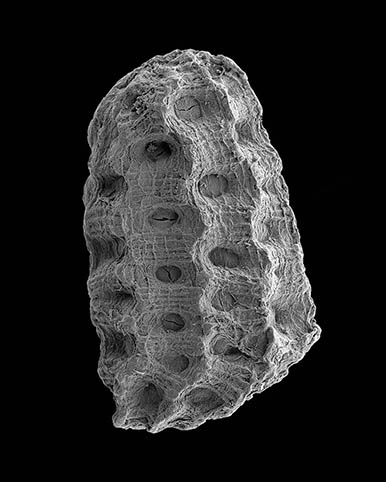
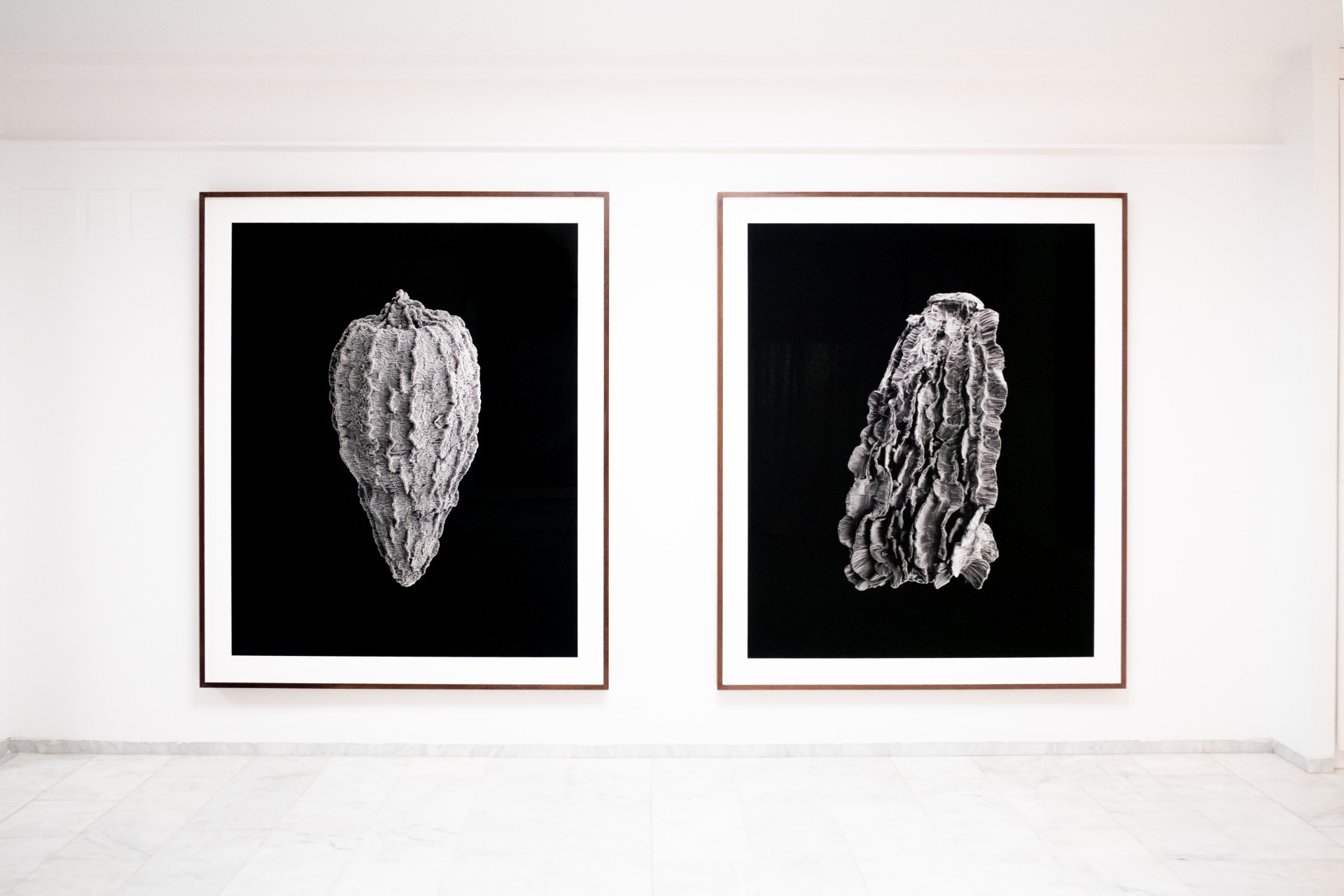
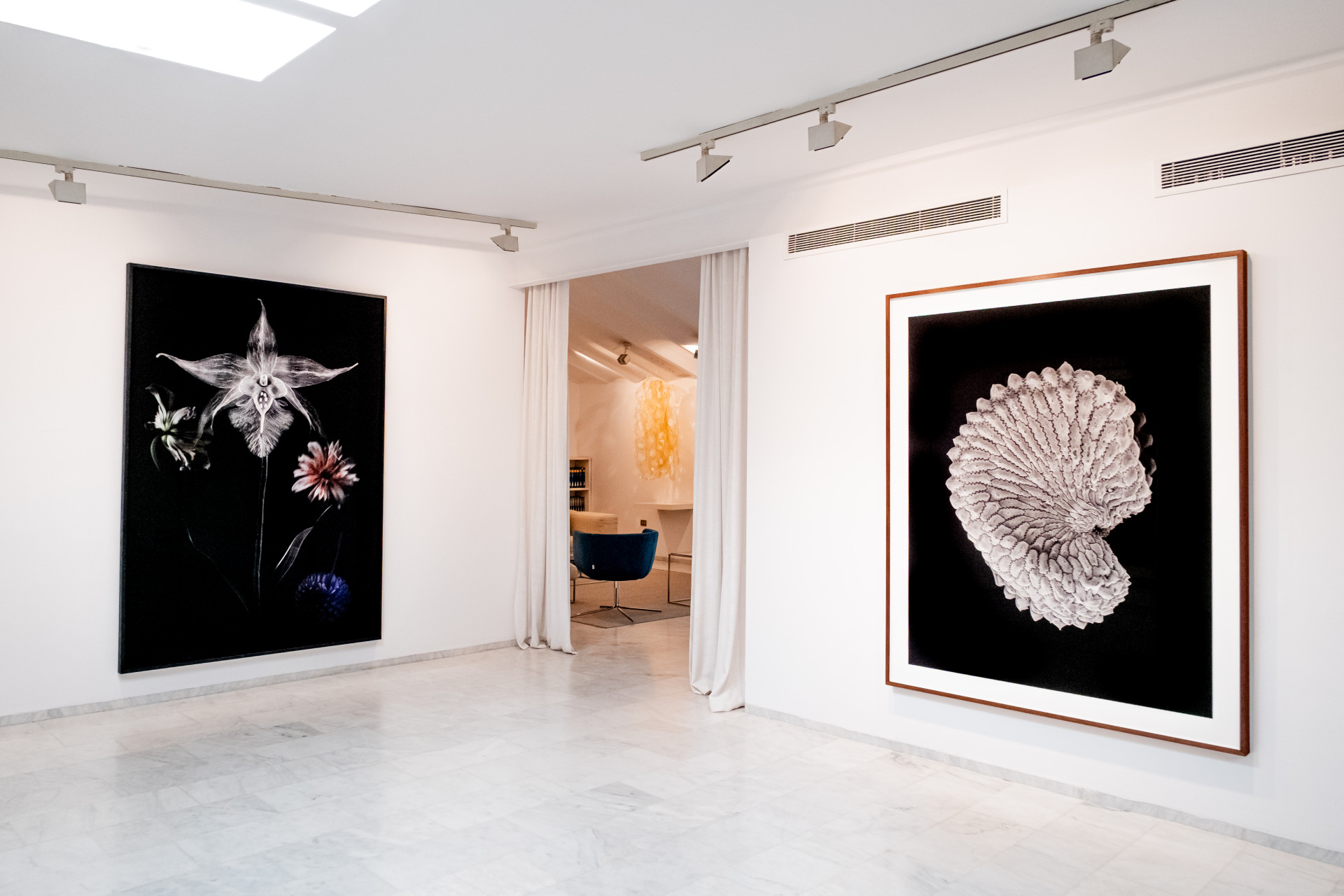
Amenazadas (2023–2026) stems from Beatriz Ruibal’s research into the conservation of plant life and is supported by the Córdoba Germplasm Bank and Casa Árabe. The series offers a glimpse into seed banks: chambers where plant life lies dormant, awaiting a future that may one day call upon it. Some of the preserved species trace their origins back to the Al-Andalus period, meaning that each seed is both biological matter and a sediment of a shared cultural memory. The series brings these tiny forms into large format — using micrographs and image-transformation processes — not to represent them, but to restore their presence: to give scale and highlight that which, because it is so tiny or under threat, we risk failing to see. What is revealed is the texture of a vulnerability that concerns us all, a web in which the disappearance of a plant takes with it the stories and landscapes that once inhabited it.
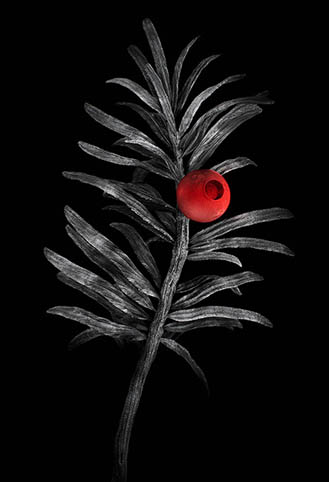
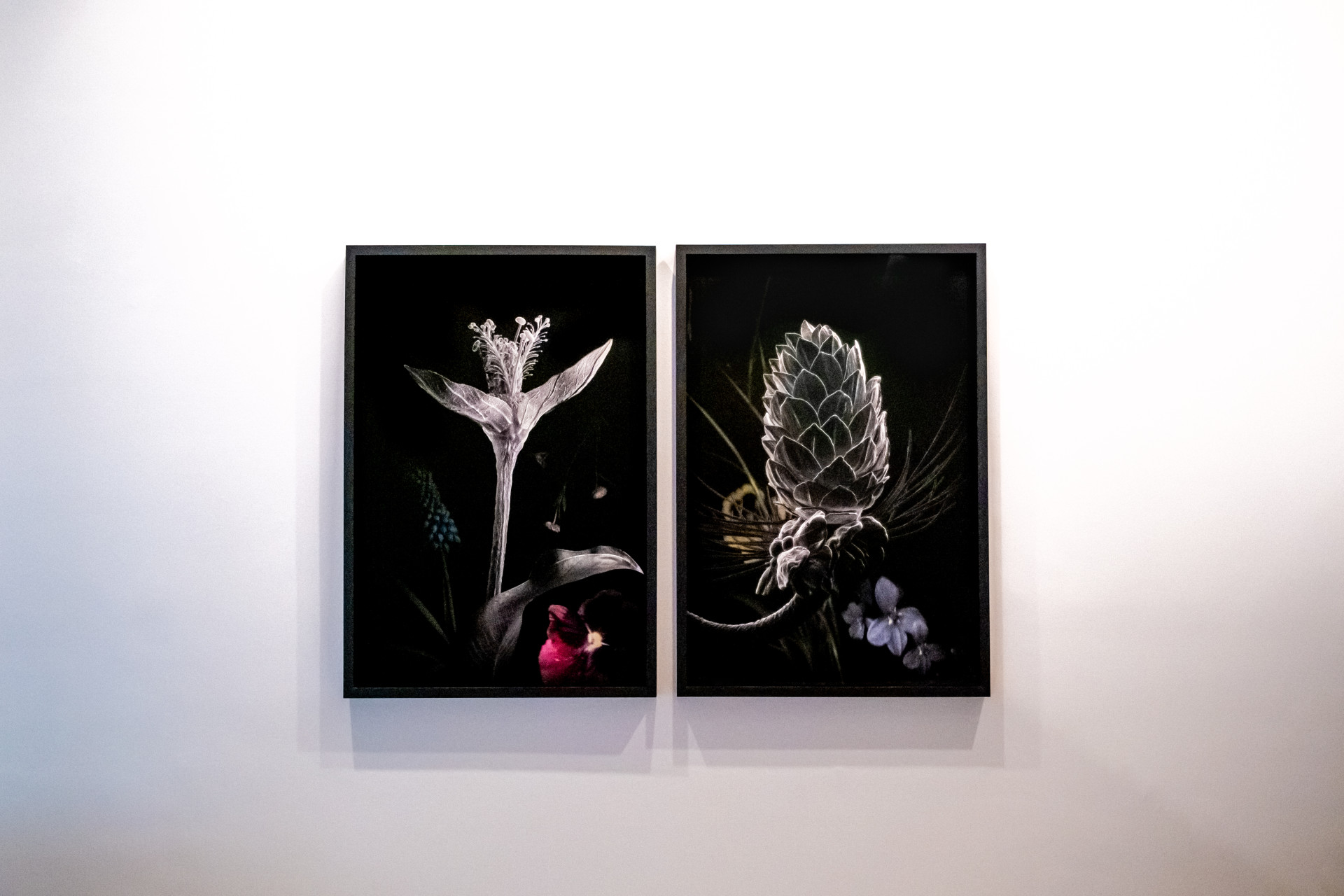
Always Alive (2022–2026) proposes an archaeology of the present in which plants make their full presence felt within a changing ecosystem. Situated between the archive and the image, and through photography and digital manipulation, the series explores botanical memory and the fragility of our relationship with living things. Not all species are on the brink of extinction: some are included because of their vulnerability, others because they are subject to profound ecological changes, and all because of the symbolic weight they carry. The yew (Taxus baccata), a relic of almost immortal longevity, guards the threshold between life and death; the ash (Fraxinus excelsior), the central tree of northern cosmologies, is today decimated by ash dieback, which is depleting Europe’s forests; the stone pine (Pinus pinea), with its umbrella-like crown, sustains both the imagination and the livelihood of the Mediterranean, whilst facing increasing climatic pressure; and the orchid (Orchidaceae), a master of mimicry and seduction and protected worldwide by CITES (the Convention on International Trade in Endangered Species of Wild Fauna and Flora), embodies the fragile interdependence between a flower and its pollinator. Black and white accentuates its fragility; colour, its contemplative intent.
La piel del olivo (The Skin of the Olive Tree) (2024–2026) brings to the shop window at 5 Cabillers Street the spatial language that the artist developed in her installation for the 32nd Pontevedra Biennial. In this new configuration, five enlarged fragments of an olive leaf, printed on backlit fabric and suspended in space, transform the shop window into a vast plant-like skin: the image is illuminated from within and emerges as a presence in the urban space. The olive tree—found throughout the Mediterranean and associated with life, resilience and regeneration—functions here as a gesture of ‘vegetal hospitality’. The piece fosters connections between nature, architecture and the gaze, and invites us to experience the everyday in a slower, more attentive way.